
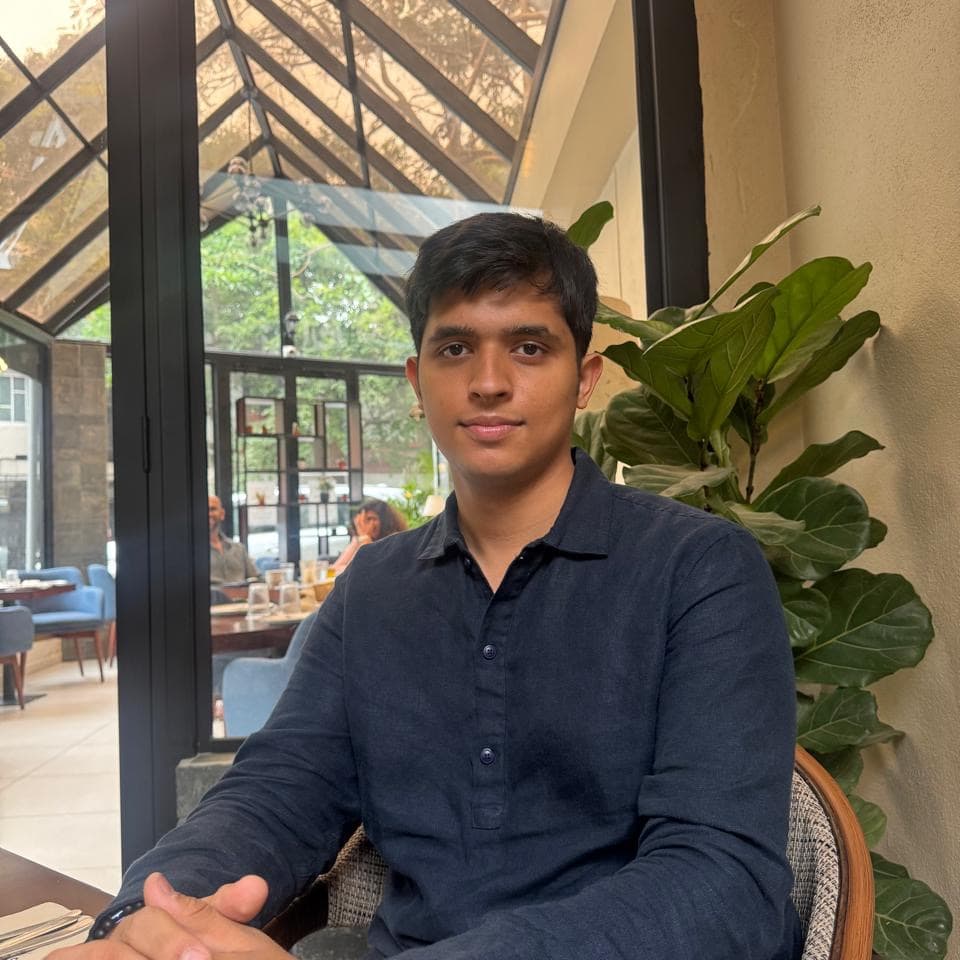
Tanissh
Co-Founder
LinkedInWe started Strategi in 2026 to do one job. Make sure the people who get in touch with you already know what they need, what it costs and why they picked you to call.
Nothing about your work changed. What changed is how much the buyer knows before they reach you.
Not long ago, someone with a problem to solve went looking through a list of options and spent a couple of weeks working out which of them were serious. A lot of them now start somewhere else. They describe the whole situation to an assistant first. How big the company is, what has gone wrong, what they can spend, when it has to be fixed. Then they ask what they should do about it.
By the time that person contacts you, the shape of the decision is already set. They know roughly what the work involves, what it ought to cost and what to ask you. For a business that is genuinely good at what it does, that is a gift. The conversations are shorter, the price arguments are smaller, and more of the people who call are people you would actually want as clients.
Strategi exists so that more of those people end up talking to you. We are judged on what arrives: how many enquiries there are, how well they fit what you sell, and how many of them turn into work.
A promise nobody pays for is not a promise. These four all cost us something, which is why you can hold us to them.
Before you sign anything, the things outside our control are written down and handed to you. We will never promise that an assistant names your business, because nobody can control what one of them says on a given day. What we commit to is the work, and the enquiries that work is built to bring you.
What it costs us
The easy sale. Somebody else will happily promise you the thing we just refused to.
Every report opens with what reached you: how many people got in touch, who they were, what they wanted, which ones turned into work. The list of things we made that month comes second, because it is the smaller question.
What it costs us
Quiet months have nowhere to hide. When it is too early to show you anything, the report says so on the first line.
If we are working with a managed IT firm in Chicago, we turn down the next one who calls. The work we do for you is not worth much if we are doing the same work for the firm you are bidding against.
What it costs us
The second fee, every time. It is the reason we would rather have twenty clients than two hundred.
The articles, the video, the pages and the fixes to your site stay with you if you leave, along with the plan behind them. Nothing we build for you sits inside a tool you have to keep renting from us to use.
What it costs us
It makes us easy to leave. We would rather be kept for the work than by the cost of switching.
You were going to spend the first meeting finding this out. Here it is instead.
What we will not tell you
What you get from us instead
The part we cannot promise is the part you should hear first.

